 Thaizo
🗓️ Tuesday, March 30, 2026
📍 World
Live Global Oil Prices (Brent Crude)
🌊 What Happens if This Key Sea Route Closes?
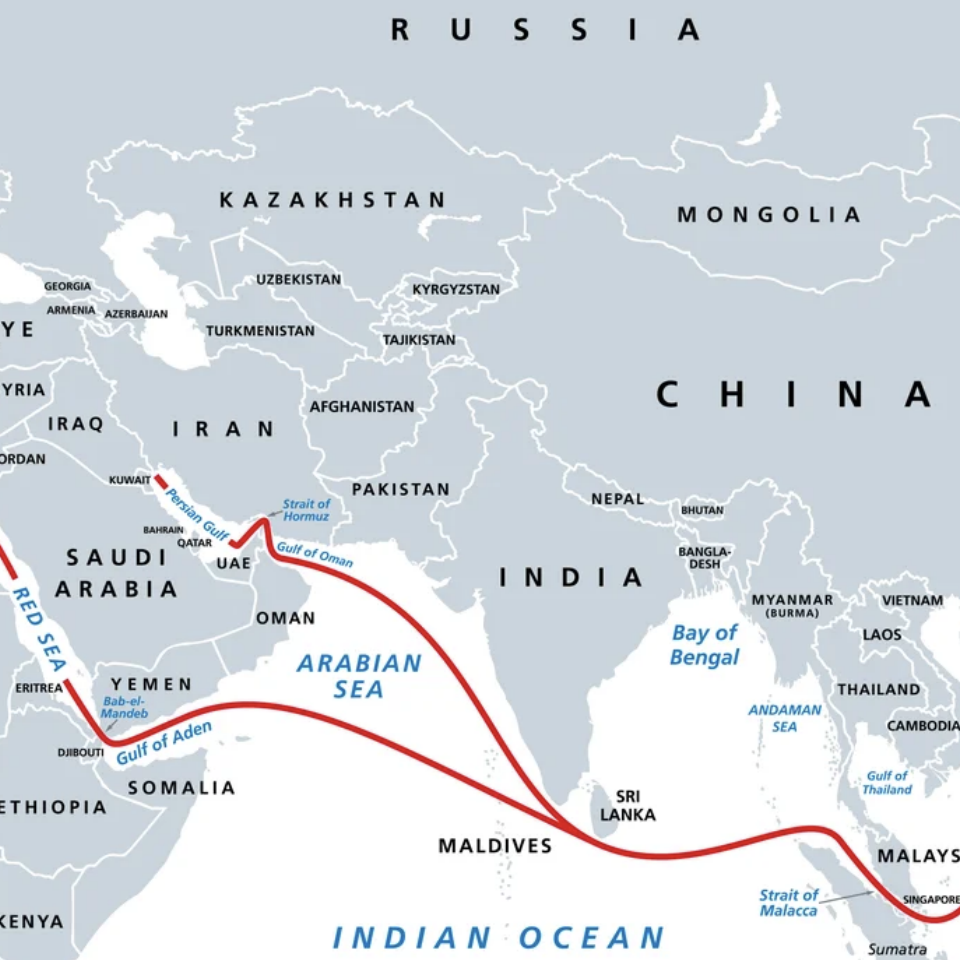
The Bab el-Mandeb Strait is one of the most important shipping routes in the world. It connects Asia, Europe, and the Middle East, and a huge amount of global trade passes through it every day. 🚢
Right now, the Houthi movement has warned it might block this route. ⚠️ If that happens—especially with ongoing issues at the Strait of Hormuz—global trade could be disrupted very quickly.
🌍 Why This Place Matters
- 📦 About 10–12% of global trade passes through this route
- 📏 Only about 26–30 km wide at its narrowest point
- 🛢 Millions of barrels of oil pass through daily
- 🔑 It is the main gateway to the Suez Canal
🚢 What Happens If It Closes?
- ⛴ Ships must go around Africa (Cape of Good Hope)
- ⏱ Delivery times increase by 10–20 days
- 💸 Shipping costs rise sharply
- 📉 Global trade slows down
🌐 Surprising Global Effects
- 🌍 African ports may benefit from increased ship traffic
- 🍞 Food prices can rise due to delayed shipments
- 🛡 Shipping insurance costs increase
- ⚠️ Some goods (like food and medicine) may spoil
- 👷 Ship crews face safety risks
🇹🇭 How Thailand Is Affected
⛽ Fuel Prices Rise First
- 🛢 Thailand imports most of its oil
- 📈 Higher global prices lead to more expensive fuel
- 🚛 Transport and food costs increase
📦 Exports Slow Down
- 🐢 Shipping becomes slower and more expensive
- 💰 Thai goods become less competitive
- ⚙️ Shortages of key materials may occur
⚡ Electricity Costs Rise Later
- 💡 Thailand imports gas by sea
- 📈 Delays and higher prices increase electricity bills
🔍 The Bigger Picture
This situation is part of long-term regional tensions shaped by years of conflict, changing alliances, and foreign policy decisions by major powers—including those during the presidency of Donald Trump. 🏛
🧾 Final Takeaway
- 📉 Global trade slows down
- 🛢 Oil prices increase
- 💸 Living costs rise
Even though the conflict is far away, people in Thailand would feel the effects through higher fuel prices ⛽, rising food costs 🍞, and economic pressure 💰.