 Thaizo
🗓️ June 30, 2026
📍 Hong Kong
🇹🇭 Bangchak’s Acquisition of Chevron Hong Kong: Why It Matters
Thailand’s Bangchak Corporation has completed its acquisition of Chevron Hong Kong Limited, taking full ownership of a fuel business that operates across one of Asia’s most important logistics hubs.
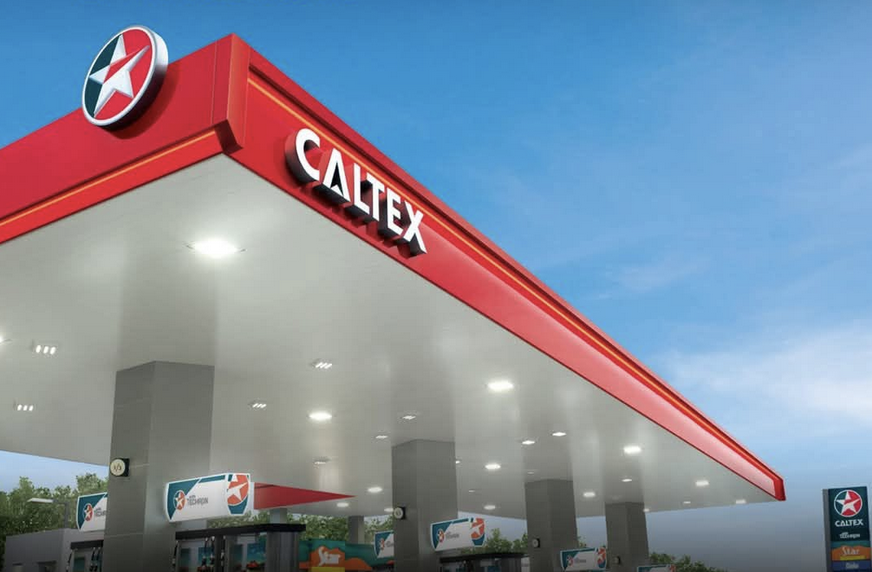
The deal includes 31 Caltex-branded service stations, industrial fuel supply operations, marine fuel services, and a key oil storage terminal and jetty in Hong Kong. While ownership has changed, the Caltex brand will remain in place under a licensing agreement with Chevron, meaning customers are unlikely to notice immediate changes at the pump.
At first glance, it may look like a straightforward corporate transaction. In reality, it reflects something much larger: Bangchak’s transformation from a Thai fuel company into a regional energy player.
🇹🇭 Who is Bangchak?
Bangchak is one of Thailand’s major energy companies. It began in 1984, originally backed by the Thai government following the global oil crises of the 1970s, when energy security became a national priority.
Today, it is a publicly listed company that operates across the full energy value chain:
- 🛢️ Oil refining (turning crude oil into usable fuels)
- ⛽ Fuel retail through service stations in Thailand
- 🚢 Marine and industrial fuel supply
- 🌱 Renewable energy and biofuels
- 🌍 Overseas energy investments
Rather than relying on a single source of income, Bangchak earns money across multiple stages of the energy system—from production and refining to retail and logistics.
💰 How Bangchak makes money
Bangchak is an integrated energy company, meaning it participates in almost every part of the fuel supply chain.
Its key revenue streams include refining crude oil, selling fuel through retail stations, supplying industrial and shipping customers, and investing in renewable energy projects.
However, the most important distinction is this:
Fuel retail is not just about selling petrol—it’s about controlling infrastructure and customer networks.
Modern fuel stations also generate income from convenience stores, food and beverage sales, and services such as EV charging and vehicle maintenance. This makes the retail network strategically important even when fuel margins are low.
🏆 Who Bangchak competes with
Bangchak operates in one of Southeast Asia’s most competitive energy markets.
Its main competitors include:
- 🥇 PTT Group — Thailand’s largest energy conglomerate
- ☕ PTT Oil and Retail (OR) — operator of PTT stations and Café Amazon
- 🐚 Shell Thailand — global energy major with a strong retail presence
- 🚗 Susco — domestic Thai fuel retailer
- 🌍 International oil and energy companies operating across the region
Competition in this sector is not just about fuel prices. It also involves logistics networks, retail branding, convenience services, and long-term infrastructure control.
🌏 Why Hong Kong matters
Bangchak’s expansion into Hong Kong is strategically significant.
Hong Kong is one of Asia’s busiest shipping and trading hubs, making it a major centre for marine fuel demand, industrial supply, and fuel logistics.
By acquiring Chevron Hong Kong, Bangchak gains immediate access to:
- ⛽ An established retail fuel network
- 🚢 Marine fuel operations serving international shipping
- 🏭 Industrial customers across multiple sectors
- 🛢️ Storage and distribution infrastructure in a key global port
This is not just expansion—it is entry into a strategic regional fuel distribution node that would take years to build from scratch.
⚡ The bigger picture: energy as national strategy
Bangchak’s acquisition also reflects how Thailand—and many countries globally—view energy.
Energy is not treated like an ordinary consumer industry. It is considered critical infrastructure, similar to transport systems, water supply, and national communications networks.
This is because modern economies depend on uninterrupted access to fuel and electricity. When energy systems are disrupted, the effects spread quickly across transport, food supply chains, manufacturing, and daily life.
As a result, many governments support or regulate energy sectors more closely than other industries, and many major energy companies globally—such as Saudi Aramco, Petronas, ADNOC, Equinor, and Sinopec—have strong state ownership or backing.
Thailand follows a similar model, where companies like Bangchak and PTT operate commercially but within a framework shaped by long-term national energy security priorities.
🚀 What this acquisition signals
For Bangchak, the Chevron Hong Kong acquisition is not just about adding petrol stations to its portfolio.
It represents a broader strategy:
- Expanding beyond Thailand into regional markets
- Strengthening control over fuel logistics and supply chains
- Diversifying revenue across retail, industrial, and marine fuel segments
- Building a more resilient, internationally connected energy business
In simple terms, Bangchak is no longer just a domestic fuel company. It is positioning itself as a regional energy operator operating across multiple countries and sectors.
And this acquisition is another step in that direction.