 Thaizo
🗓️ Saturday, October 31, 2026
The Nation Editorial Team · Thaizo News
🎃 Europe on Edge: France & Germany Brace for Massive Halloween Protests as Historic Buildings Burn
Halloween in Europe is looking rather different this year. Instead of simply filling the streets with costumes and celebrations, hundreds of thousands of people are expected to take part in demonstrations demanding change.
🇫🇷 France is deploying 70,000 police officers for nationwide protests, while 🇩🇪 Germany is preparing for more than 160,000 demonstrators across 34 cities.
The demonstrations centre on two major concerns: the rising cost of living 💸 and demands for better education 🎓. But the situation has become more serious in parts of Europe, where earlier unrest has involved fires, looting, vandalism and damage to historic buildings.
One particularly shocking development is the destruction of historic properties in France, including a town hall dating back to the 19th century.
🎃 The story in 30 seconds
- 🇫🇷 France deploys 70,000 police officers.
- 🇩🇪 Germany expects more than 160,000 demonstrators.
- 🏛️ Historic buildings in France have suffered serious fire damage.
- 🔥 Shops, public spaces and businesses have been targeted during previous unrest.
- 🌍 Demonstrations and social tensions are being reported elsewhere in Europe.
Here's what's happening, why people are taking to the streets, and why Europe's historic heritage has become part of a much bigger story.
🚨 Two countries, hundreds of thousands of people, one very tense weekend
France and Germany are facing major demonstrations, but the scale and nature of the security response are quite different.
Police officers deployed nationwide to manage the Halloween demonstrations.
People expected to participate in rallies across 34 German cities.
Estimated losses suffered by French retailers during the unrest.
Consecutive weekend of mass demonstrations in France.
⚠️ Why is France particularly concerned?
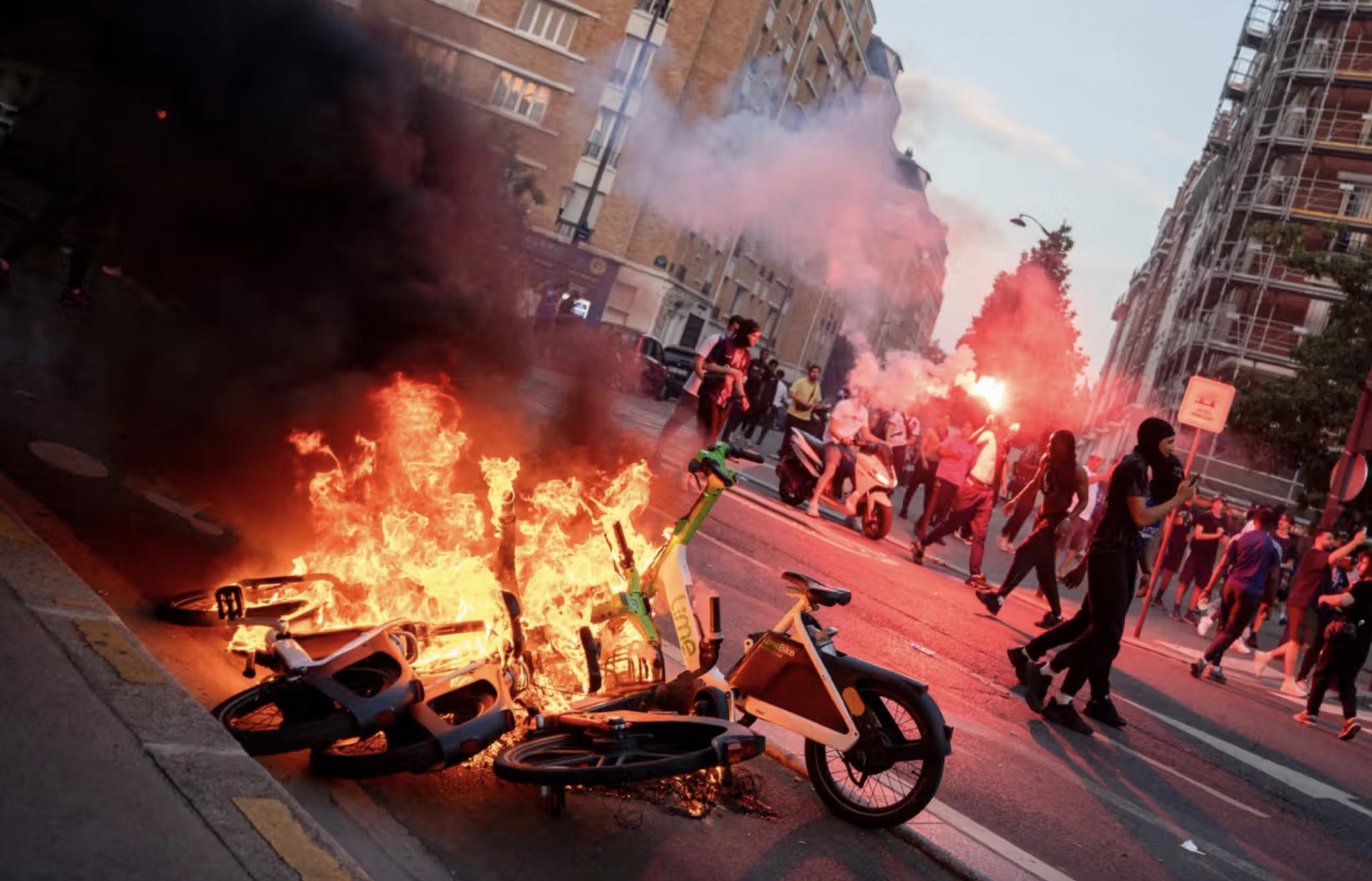
Previous demonstrations reportedly involved rioting, looting, fires and damage to shops, public buildings and businesses.
Authorities fear Halloween masks could make it harder to identify people involved in disorder. Police can use existing laws to restrict face coverings when public order is at risk.
The US Embassy has also advised travellers to avoid locations where demonstrations and large gatherings are planned.
🇫🇷 France deploys 70,000 police officers
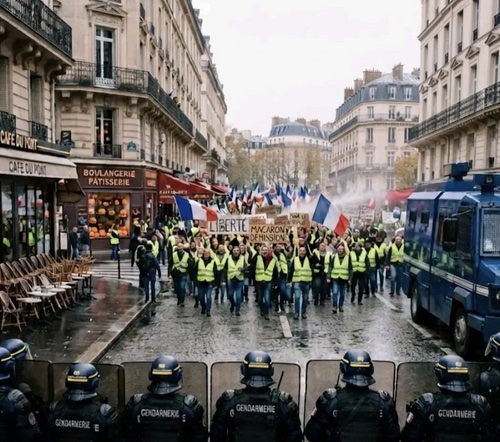
France is preparing for its third consecutive weekend of mass protests, bringing together students, trade unions and supporters of the Yellow Vest movement.
The demonstrations reflect growing frustration over deteriorating public services, education problems and the rising cost of living.
🚔 A very firm response promised
French Interior Minister Laurent Nuñez has promised a much stronger security response following the violence seen during earlier demonstrations.
He warned that October 31 carries a very high risk of unrest and said authorities would be prepared to respond firmly to trouble.
Police are particularly concerned about vandalism, looting and people using Halloween costumes or masks to conceal their identities.
🎭 An unusual Halloween security concern
Halloween masks are normally associated with harmless fun, but French authorities fear that some individuals could use them to hide their faces during violent incidents.
Existing French laws allow restrictions on face coverings where there is a risk to public order.
🔥 Historic buildings damaged as France faces a wave of destruction
Perhaps the most disturbing aspect of the recent unrest is the damage to historic buildings and cultural landmarks.
These are not simply ordinary properties. Some have stood for more than a century and represent important parts of France's architectural and cultural history.
🔥 Limoges: Historic town hall badly damaged by fire
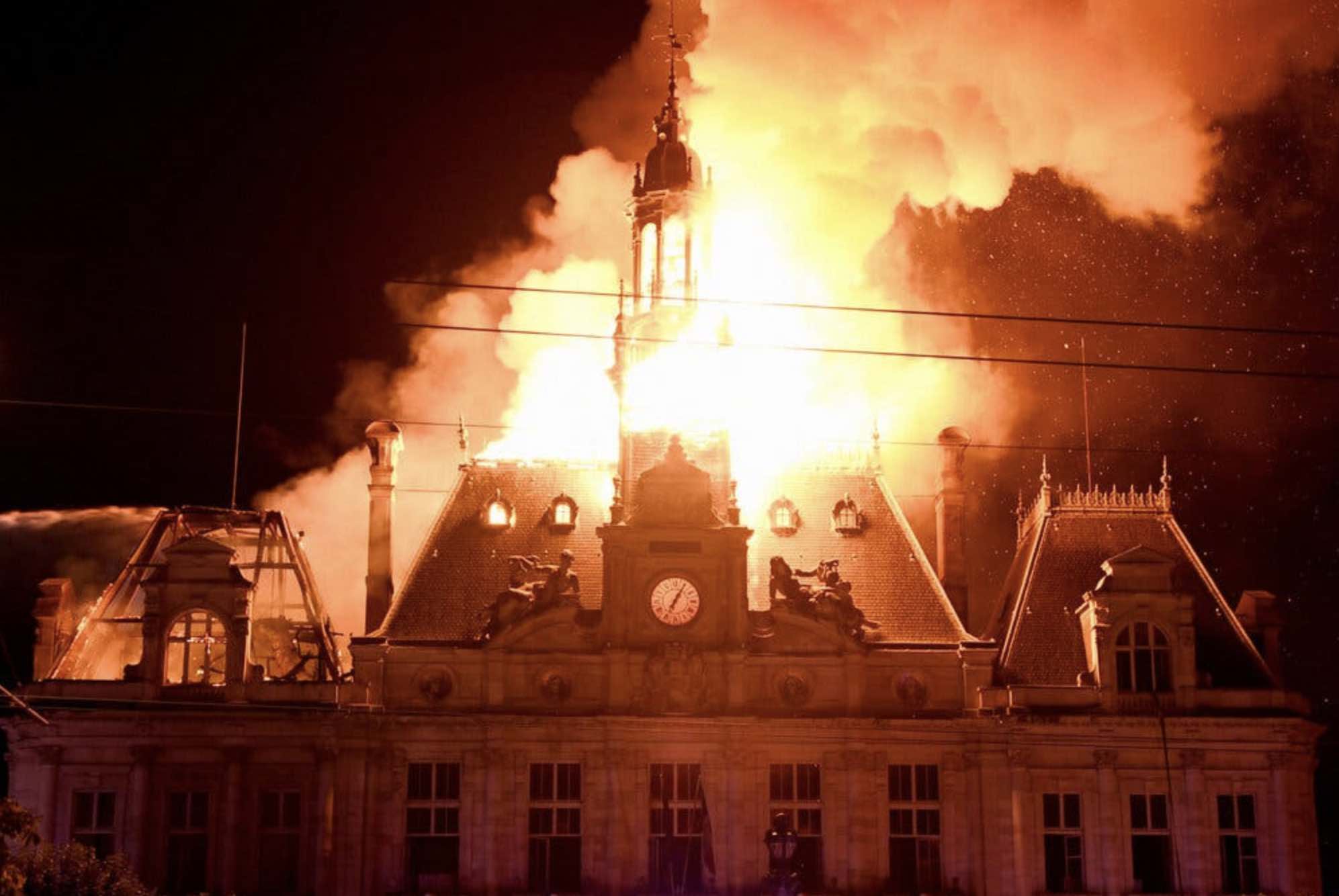
One of the most shocking incidents reportedly occurred in Limoges, where a fire badly damaged the city's historic town hall.
The building was inaugurated in 1883, making it approximately 143 years old.
The fire caused extensive destruction, including the collapse of its iconic clock tower and spire.
The damage is a significant loss for the city's architectural heritage.
🔥 Lyon: Fire destroys a 19th-century tourist office
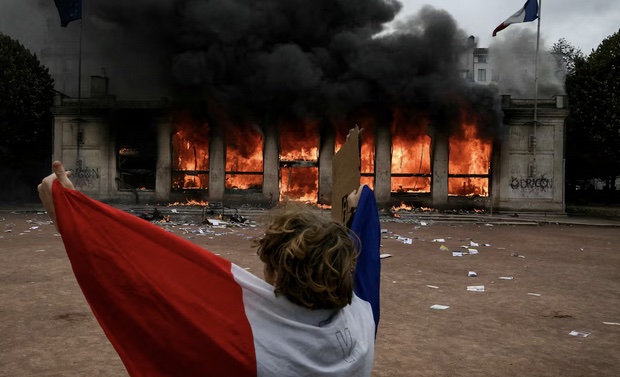
Lyon also experienced a serious fire involving a tourist office housed in a historic 19th-century building.
The destruction has raised further concerns about the protection of historic properties during periods of public unrest.
Marseille: City hall vandalised
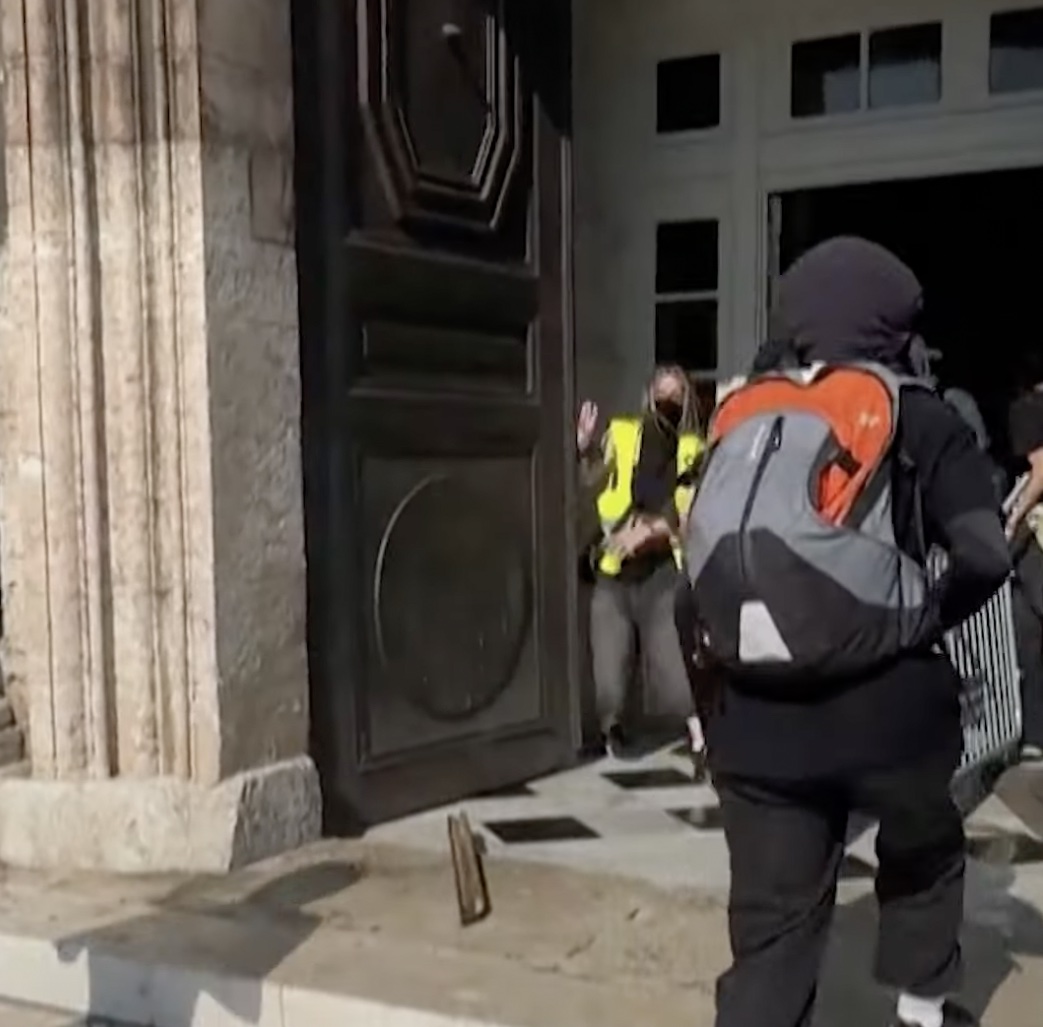
In Marseille, protesters reportedly broke into the city hall using a metal street barrier as a battering ram.
Among the damage was a bust of Marianne, the symbolic female representation of the French Republic.
Marianne represents French republican values, making the damage particularly significant as a symbol of national identity.
Paris: Fires, looting and damage to public spaces
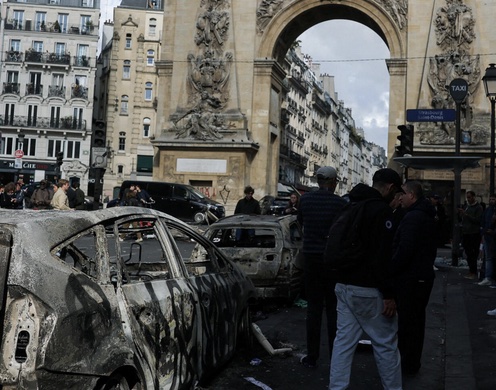
Paris has also experienced vandalism, fires and damage to commercial properties during earlier demonstrations.
Reported incidents included:
- 🔥 Fires involving vehicles and street infrastructure.
- 🪟 Broken shop windows and looting.
- 🧱 Barricades along parts of the Champs-Élysées.
- 🗿 Vandalism around Place de la République.
The famous Statue of the Republic dates back to 1883 and represents an important part of French republican history.
Reports describe damage in the surrounding area, but this should not be confused with the destruction of the entire monument.
📌 Important: Not every fire was caused by protests
Paris's historic Marché des Enfants Rouges, which dates back to the 17th century, also suffered a fire in October 2026.
However, no connection between that fire and the demonstrations has been established.
It is important to distinguish confirmed protest-related destruction from separate fire incidents.
🛍️ Businesses count the cost of the unrest
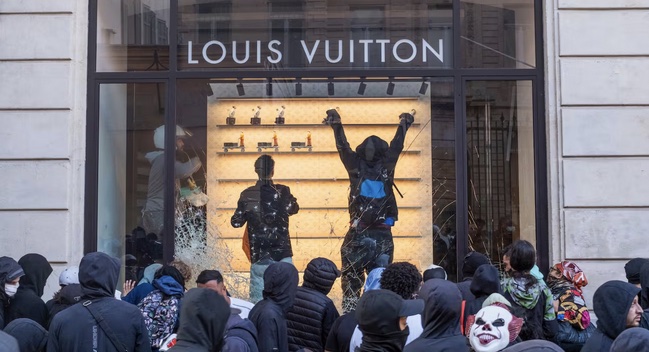
The protests are also creating serious financial pressure for French retailers.
France's Chamber of Commerce estimates that retailers have lost more than €1 billion (approximately US$1.1 billion).
Some other estimates put the total losses considerably higher when uninsured damage and lost sales are included.
Luxury shopping areas have been particularly concerned about further disruption.
Stores belonging to Hermès, Louis Vuitton and Burberry were among those targeted during previous unrest.
💡 Why the economic impact matters
When shops close early, windows are boarded up and customers stay away, the financial damage spreads beyond the businesses directly affected.
Employees, suppliers, restaurants, hotels and tourism businesses can all feel the consequences.
🇩🇪 Germany prepares for 160,000+ demonstrators in 34 cities
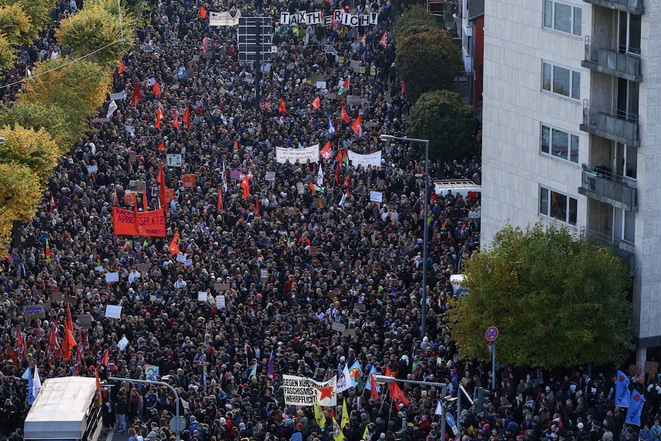
Germany's demonstrations are being organised by a youth movement called Gen Z regelt, which roughly translates as "Gen Z takes charge".
Rallies are planned in 34 cities, including Berlin, Frankfurt and Munich.
✊ What are young Germans demanding?
- 🎓 Greater investment in schools and universities.
- 💸 Relief from increasing financial pressures.
- 🪖 Opposition to compulsory military service.
- 🏛️ More attention to the concerns of younger generations.
German authorities expect most demonstrations to be peaceful, but warn that extremist groups could attempt to exploit the movement.
Officials have also raised concerns about involvement by parts of the far-left extremist scene and groups connected to foreign extremist movements.
🏬 Businesses prepare for possible disruption
Some shops along Berlin's luxury Kurfürstendamm shopping boulevard have boarded up windows and arranged early closures amid concerns about possible unrest.
The German government is also examining who is driving the campaign and how much support it genuinely has among young people.
🎓 Not all student groups agree
Germany's national student umbrella organisation, the Bundesschülerkonferenz (BSK), has distanced itself from the Gen Z regelt initiative.
However, it has stressed that this does not mean it rejects the concerns being raised by students.
The organisation plans to hold its own demonstration day on November 20.
🤔 Why are people so angry?
The demonstrations are about more than one political disagreement. They reflect growing concerns about the future, particularly among younger generations.
Education under pressure
French students complain about overcrowded classrooms, deteriorating schools and concerns over university admissions.
Rising living costs
Higher everyday expenses are adding pressure to households already struggling to manage their budgets.
Future financial security
Younger Europeans are increasingly concerned about housing, employment and whether they can afford a stable future.
Military service concerns
German organisers are also opposing compulsory military service and questioning the burdens placed on younger generations.
In France, government promises to reform education and ease fuel costs have not calmed the movement.
Public debt approaching 120% of economic output and rising borrowing costs are limiting the government's room to increase spending.
Germany faces a different set of pressures. An ageing population and a shrinking working-age workforce are placing increasing demands on pensions and public services.
🌍 Is Europe entering a new period of unrest?
The demonstrations in France and Germany are taking place against a wider backdrop of political and social tensions across Europe.
From student-led movements in the Balkans to demonstrations over living costs, public services and government decisions in Western Europe, dissatisfaction is becoming increasingly visible.
However, not every demonstration is connected, and the causes vary considerably from country to country.
🇪🇺 The bigger European picture
- 💸 Rising living costs and financial insecurity.
- 🎓 Concerns about education and opportunities for young people.
- 🏠 Housing affordability and economic pressures.
- 🏛️ Frustration with political leadership.
- ✊ Growing youth participation in demonstrations.
🇷🇸 Serbia shows how powerful student movements can become
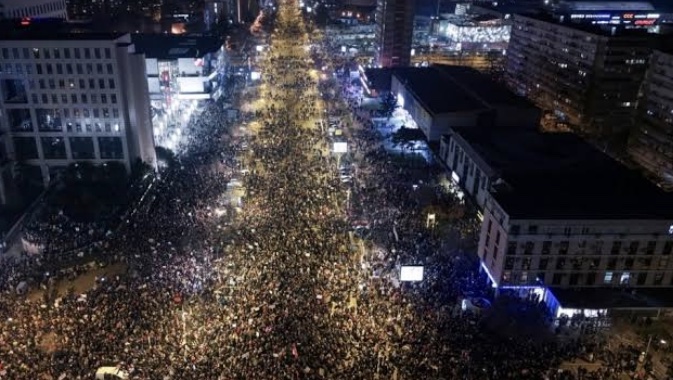
One of the most significant examples of youth-led political activism in Europe has emerged in Serbia.
Student demonstrations grew into a major national movement following the deadly collapse of a railway station canopy in Novi Sad in November 2024.
The disaster killed 16 people and triggered widespread anger over alleged corruption, construction oversight and government accountability.
✊ From university protests to national demonstrations
Students organised blockades, marches and rallies, demanding accountability and greater transparency. Their movement attracted support from teachers, workers and members of the wider public.
The demonstrations contributed to the resignation of Prime Minister Miloš Vučević in January 2025.
The Serbian movement became an important example of how organised student activism can influence national politics.
💡 Why Serbia matters
The situation demonstrates that young people are not necessarily limiting their activism to education or university conditions.
When concerns about public institutions, accountability and the future combine, student movements can become much larger political forces.
🔥 Other European countries facing demonstrations and unrest
France and Germany are not the only countries experiencing public demonstrations. Across Europe, different movements have emerged around economic pressures, political decisions and public services.
Italy: Protests over economic and political pressures
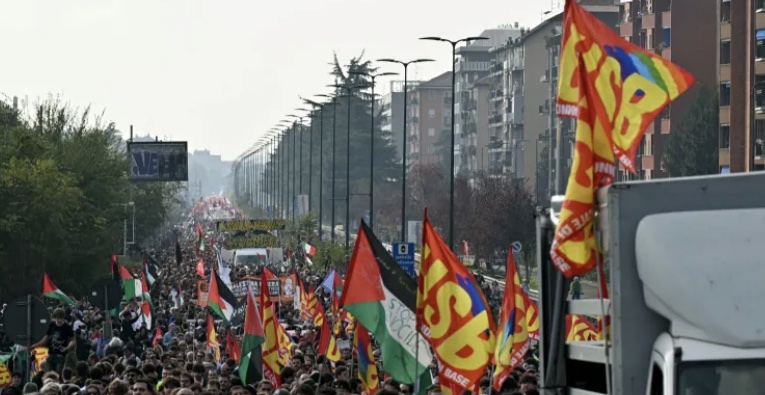
Italy has experienced demonstrations involving workers, students and trade unions over issues including wages, employment conditions and government policies.
As in France and Germany, economic uncertainty and the cost of living remain important concerns for many households.
Belgium: Workers challenge government policies
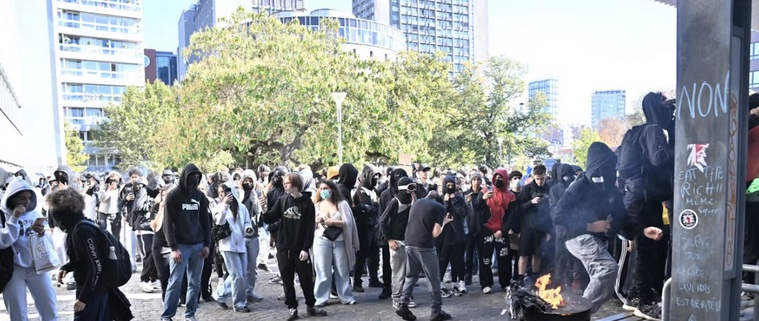
Belgium has also seen major trade union demonstrations over government reforms, pensions, employment conditions and purchasing power.
These demonstrations highlight the continuing tension between government efforts to control public spending and citizens demanding protection for living standards.
Portugal: Housing and affordability remain major concerns
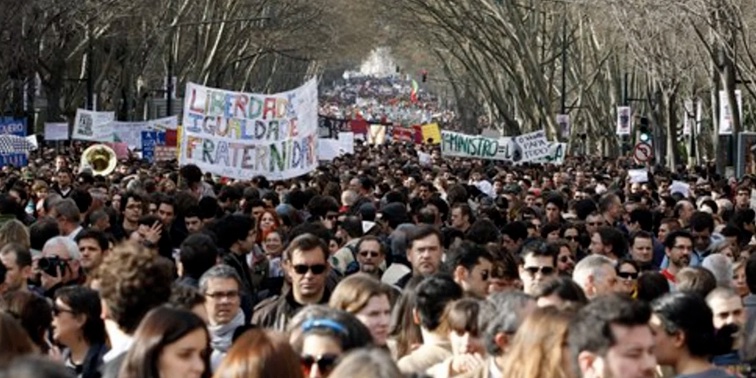
Portugal has faced growing public debate over housing affordability, rents, wages and the financial pressures affecting younger people.
These concerns reflect a broader European problem: many young adults are finding it increasingly difficult to secure affordable housing and establish financial independence.
Spain: Housing and the future of younger generations
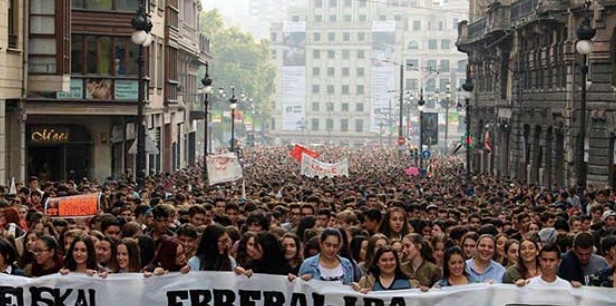
Housing affordability, rental prices and pressure on household budgets have become important subjects in Spain's public debate.
Younger generations have increasingly raised concerns about whether they can afford to live independently in major cities.
⚠️ Important distinction
These countries have experienced different demonstrations and social tensions, but that does not mean they are all part of one coordinated European protest movement.
The issues, dates, organisers and levels of violence differ. Peaceful demonstrations should also be distinguished from riots and criminal damage.
📉 The protests are becoming a political problem for Macron
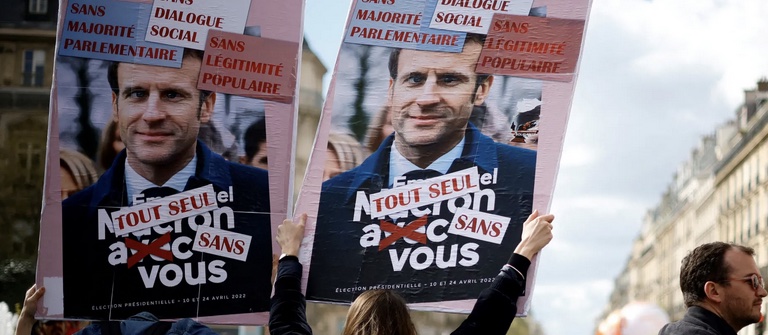
The unrest is creating additional difficulties for President Emmanuel Macron and his government.
France has been struggling with political divisions, budget pressures and disagreements over how to manage public spending.
The demonstrations have brought together groups that do not necessarily share the same political beliefs, but have found common ground in their dissatisfaction with the government.
🗳️ Marine Le Pen gains political attention
Far-right political leader Marine Le Pen has benefited politically from growing dissatisfaction, according to the reporting in this article.
She has been leading opinion polls ahead of France's April 2027 presidential election.
Meanwhile, potential centrist successors to Macron remain divided.
This creates an increasingly difficult political environment for the French government as it attempts to balance public demands with the country's financial position.
🗳️ Why the 2027 election matters
France's next presidential election could become an important test of public confidence in the country's political establishment.
Economic dissatisfaction, public security, immigration, government spending and the future of public services are likely to remain important political issues.
💸 A government caught between public demands and rising debt
One of France's biggest challenges is that the government is facing demands for more investment at a time when its finances are already under pressure.
Public debt approaching 120% of France's annual economic output.
Estimated losses suffered by French retailers during the unrest.
A major political test for France next April.
The French economy also contracted in the third quarter, according to figures released on October 30, 2026.
This adds another complication for policymakers. More spending could help address problems in education and public services, but it could also increase pressure on government finances.
🤔 The difficult balancing act
- 🎓 Students want better schools and universities.
- 💸 Households want relief from rising living costs.
- 🏛️ The government wants to control public debt.
- 🚔 Authorities want to prevent further violence and damage.
- 🏬 Businesses want stability and protection from looting.
Finding a solution that satisfies all these groups will not be easy.
⚖️ France moves ahead with controversial €10,000 riot-damage bill
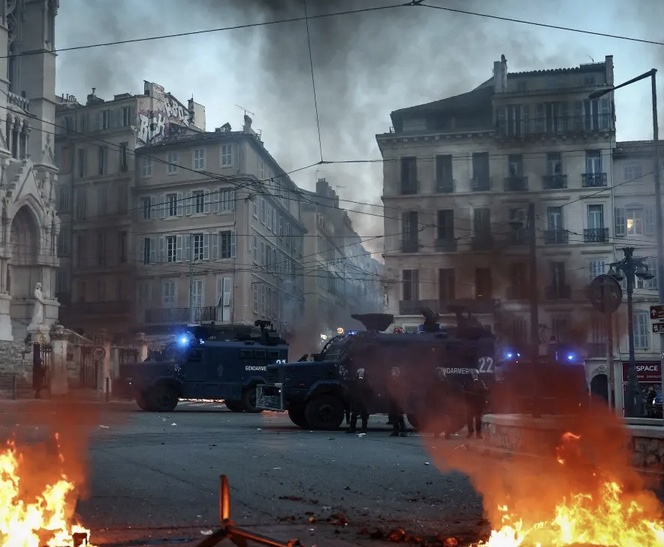
As the unrest continues, the French government is pushing legislation designed to make people financially responsible for damage caused during violent public gatherings.
The bill proposes that people who meet specific legal conditions could be held jointly responsible for damage caused during collective violence.
📅 An important legislative milestone
🏛️ What would the legislation mean?
Under the proposed system, people who knowingly participate in certain violent groups or remain in an unlawful gathering after qualifying police dispersal orders could, in specific circumstances, be held jointly responsible for resulting damage.
Importantly, the proposal does not simply make every person attending a peaceful demonstration automatically liable for someone else's actions.
The legislation sets out specific conditions that must be established before liability can be imposed.
⚠️ Why are human rights groups concerned?
Critics fear that the measure could discourage people from attending demonstrations, particularly if they worry about being held financially responsible for damage caused by others.
This raises important legal questions:
- ⚖️ How would authorities establish individual responsibility?
- 👥 When could someone be held responsible for damage caused by another participant?
- ✊ Could the measure discourage peaceful demonstrations?
- 🏛️ How will courts protect the right to protest?
The proposal also raises questions about recovering compensation from people who cannot afford to pay.
It includes provisions concerning certain social benefits and the recovery of damages, including circumstances involving parents and damage caused by minors.
💡 The bigger debate
Governments have a responsibility to protect public safety and prevent criminal damage.
At the same time, citizens have the right to demonstrate peacefully and express opposition to government policies.
The challenge is finding a balance between holding offenders accountable and protecting legitimate democratic protest.
🇫🇷🇩🇪 France vs Germany: How do the demonstrations compare?
Although both countries are preparing for major Halloween demonstrations, their situations are not identical.
🎃 Two countries, two very different security situations
| Category | 🇫🇷 France | 🇩🇪 Germany |
|---|---|---|
| Scale | Nationwide protests | 34 cities |
| Police / crowds | 70,000 police | 160,000+ expected demonstrators |
| Main concerns | Education and living costs | Education and military service |
| Security outlook | Very high risk of unrest | Mostly expected to be peaceful |
| Economic impact | Retail losses exceeding €1bn | Businesses preparing for disruption |
| Political backdrop | Pressure on Macron's government | Debate over government priorities |
🏰 When protests turn destructive, Europe's history can become a casualty
One of the most disturbing aspects of the recent unrest in France has been the damage to historic buildings and public landmarks.
These are not simply buildings that can be replaced overnight. Many represent generations of local history, architecture and community identity.
The events of October have raised fresh questions about how Europe protects its cultural heritage during periods of political and social unrest.
🔥 Limoges: A historic town hall devastated by fire
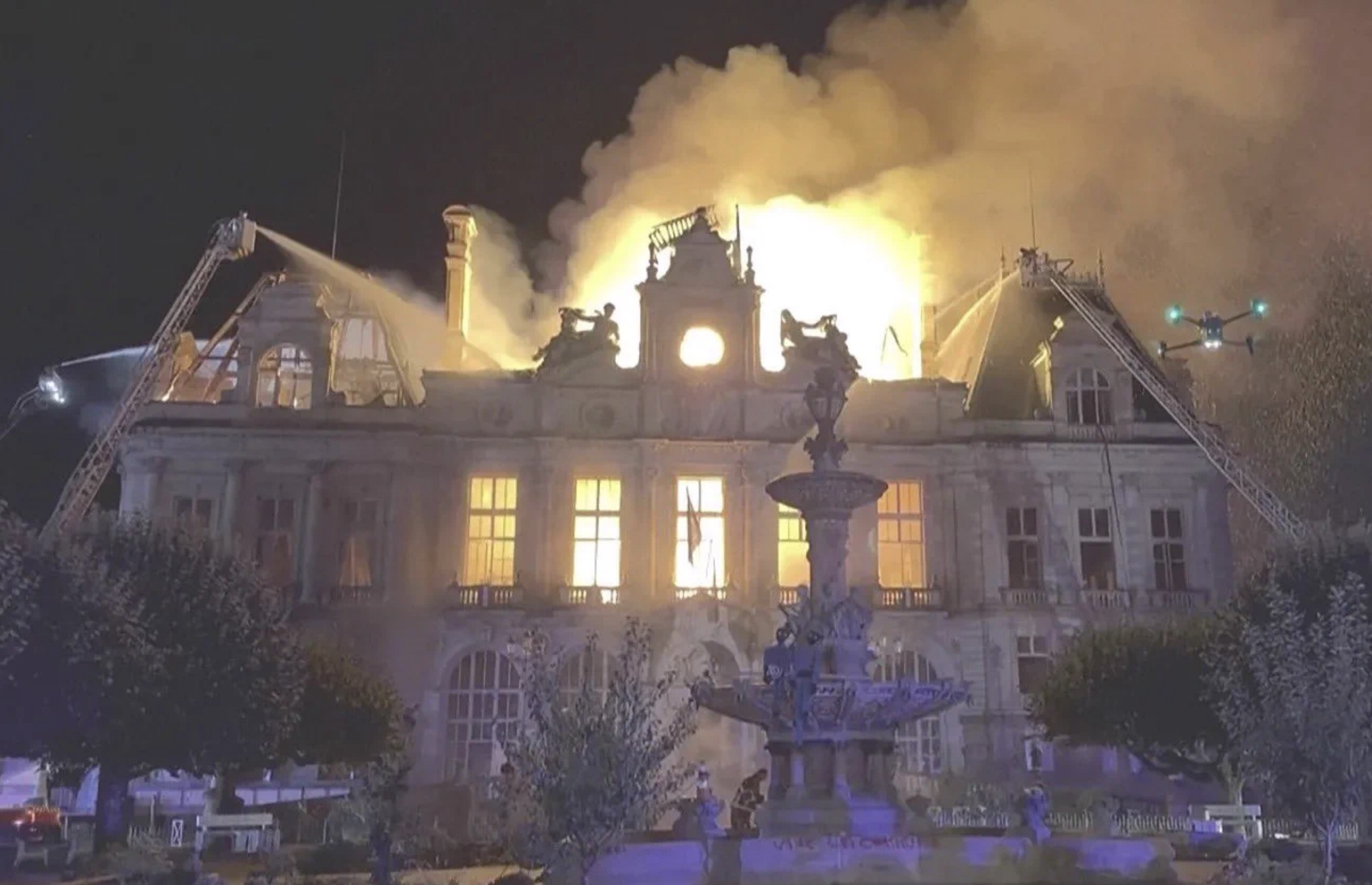
One of the most shocking incidents occurred in Limoges, central France, where a historic town hall was set ablaze during unrest following demonstrations over living costs.
The building was inaugurated in 1883 and was an important example of 19th-century architecture.
During the October 17 violence, masked individuals attacked the building and started a fire.
The blaze destroyed much of the roof, severely damaged the structure and caused its distinctive clock tower to collapse.
More than 140 years of history.
The tower was a prominent feature of the building.
Major sections of the building were destroyed.
The destruction shocked residents, with comparisons being made to the devastating 2019 fire at Notre-Dame Cathedral in Paris.
French Prime Minister Sébastien Lecornu subsequently promised to rebuild the town hall in its original form, using a special heritage reconstruction approach.
Investigators also pursued suspects over the attack, which authorities treated as a serious criminal incident.
The fire was associated with the violent aftermath of the October 17 demonstrations. It should not be confused with peaceful protest activities taking place elsewhere.
⛪ Notre-Dame: A reminder of how fragile historic heritage can be
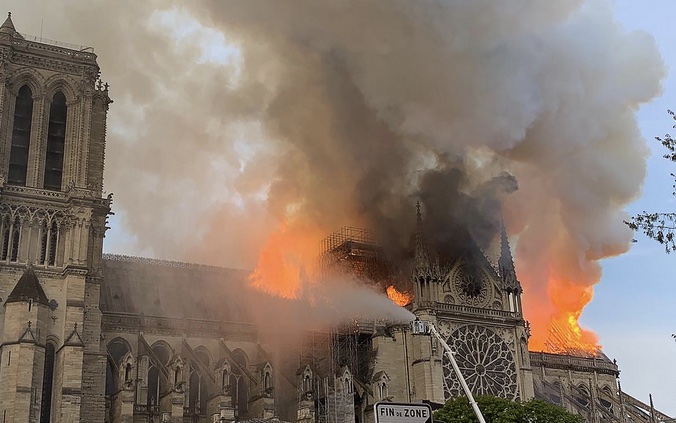
For many people, the images of Limoges brought back memories of the devastating fire at Notre-Dame Cathedral in April 2019.
The medieval cathedral, one of France's most recognisable historic landmarks, suffered extensive damage when its roof and famous spire collapsed.
Unlike Limoges, Notre-Dame's fire was not connected to demonstrations. It was a separate disaster.
Years of painstaking restoration followed, and the cathedral reopened to visitors in December 2024.
💡 Why this comparison matters
Whether damage results from an accident, a fire or deliberate destruction, historic buildings can take years or even decades to restore.
Some original materials, architectural features and historical details may never be recovered.
🔥 Germany: Fire engulfs the historic Eagle's Nest
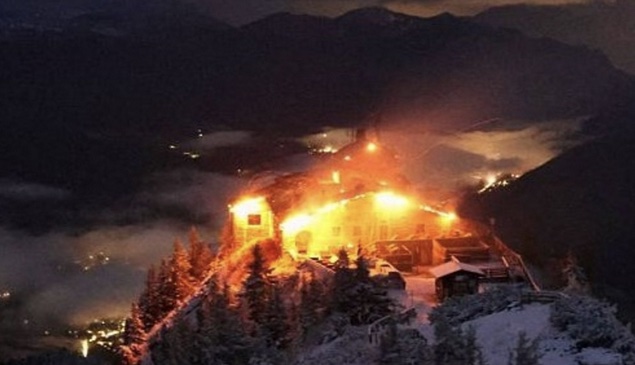
Another major heritage-related incident occurred in Bavaria, southern Germany, where a fire engulfed the historic Kehlsteinhaus, better known as the Eagle's Nest.
Built in 1938 as a guest house for Nazi officials and their guests, the building is located high in the Bavarian Alps above Berchtesgaden.
It later became a historical site associated with Germany's Nazi past and an important location for visitors interested in the country's history.
Around 200 firefighters and emergency workers were involved in fighting the October 23 blaze.
⚠️ Was this connected to the protests?
There is an important distinction here: authorities had detained a man near the scene, but the cause of the fire had not been established in the reporting.
There was no confirmed evidence linking the incident to the Halloween demonstrations or the wider protest movement.
The building's historical significance nevertheless made the incident particularly concerning.
🚔 Shops, public buildings and city centres also affected
Historic buildings are only part of the story. The October unrest has also left damage across French cities.
Retail businesses
Shops and luxury retailers have suffered broken windows, looting and property damage.
Vehicles
Cars, police vehicles and other property have been targeted during violent incidents.
Public buildings
Municipal buildings and public facilities have faced attacks and vandalism.
Urban damage
Graffiti, damaged street furniture, barricades and fires have added to the disruption.
📌 A key distinction
The destruction of property is not representative of everyone participating in demonstrations. Many people have attended peacefully to express legitimate concerns.
However, the scale of damage caused by violent groups has become a serious concern for local communities, businesses and authorities.
🌍 Should tourists be worried about travelling to France or Germany?
The demonstrations are attracting international attention, particularly because of the scale of the planned gatherings and the damage caused during previous incidents.
However, it is important to put things into perspective. France and Germany are large countries, and demonstrations generally affect particular streets, neighbourhoods and city centres rather than entire countries.
Hotels, airports, restaurants and tourist attractions may continue operating normally away from affected areas.
🇫🇷 France: What visitors should know
- Paris: Expect possible disruption around major shopping streets, government buildings and demonstration gathering points.
- Transport: Road closures, public transport delays and station disruptions may occur.
- Shopping: Some retailers may close early or temporarily secure their premises.
- Historic attractions: Check opening arrangements before travelling to major landmarks.
🇩🇪 Germany: What visitors should know
- Berlin: Demonstrations could affect central areas and major shopping streets.
- Frankfurt: Check local travel updates around rally locations.
- Munich: Monitor public transport and local police announcements.
- Other cities: Smaller demonstrations may also affect local roads and public spaces.
🎒 7 simple precautions for travellers
Travelling during periods of unrest doesn't necessarily mean cancelling your holiday. A little preparation can make a big difference.
- Check local news before heading out. Demonstration locations can change quickly.
- Avoid large protest gatherings. Even peaceful demonstrations can become difficult to navigate.
- Keep away from confrontations. Do not approach police lines, fires or groups involved in violence.
- Allow extra travel time. Road closures and transport interruptions can affect your plans.
- Keep your phone charged. Save your accommodation address and important contact details.
- Follow official advice. Check local police, transport authorities and your country's embassy.
- Have an alternative route. Avoid relying on a single station, road or transport connection.
🇪🇺 Why are so many young Europeans taking to the streets?
France and Germany are not experiencing public discontent in isolation.
Across Europe, younger generations have increasingly been raising concerns about education, employment prospects, housing affordability, public spending and their future economic security.
The situations differ from country to country, but the underlying frustration is familiar: many young people feel that the opportunities available to them are becoming harder to reach.
Education
Concerns about underfunded schools, overcrowded classrooms and the quality of university facilities.
Living costs
Housing, food, transport and everyday expenses are putting pressure on younger households.
Future opportunities
Young people are concerned about employment, wages and long-term financial security.
Military service
Germany's debate over compulsory military service has become another source of youth opposition.
Serbia has also experienced major student-led demonstrations, showing how quickly youth movements can become powerful political forces.
But there is an important difference between peaceful political activism and criminal destruction. The right to demonstrate is fundamental in democratic societies, while arson, looting and attacks on people are separate matters for law enforcement.
🎃 A Halloween weekend with a darker atmosphere
Halloween normally brings costumes, parties, pumpkins and celebrations across Europe.
But this year, France and Germany are facing an unusually tense Halloween weekend.
France is preparing to deploy 70,000 police officers as authorities brace for nationwide demonstrations.
Meanwhile, German organisers expect more than 160,000 demonstrators across 34 cities.
French authorities are particularly concerned that some individuals could use Halloween masks to conceal their identities during acts of violence.
German officials expect most gatherings to remain peaceful but have warned about extremist groups potentially exploiting the demonstrations.
For police, emergency services and local businesses, the challenge will be keeping people safe while respecting the right to peaceful protest.
📊 France and Germany: The numbers at a glance
Officers planned for nationwide Halloween demonstrations.
Expected demonstrators across 34 German cities.
Cities expected to host demonstrations.
Europe's Halloween weekend: Protests, police and a reminder of what's at stake
France and Germany are entering a tense Halloween weekend, with hundreds of thousands of people potentially taking part in demonstrations over education, living costs and the future facing younger generations.
The protests reflect genuine frustration among many ordinary citizens. But the destruction of shops, public buildings and historic landmarks shows how quickly peaceful demonstrations can be overshadowed by violence.
The damage to historic buildings is particularly concerning. These places represent generations of history and cannot simply be replaced when something goes wrong.
As police prepare for the weekend, the challenge is clear: protect the public, safeguard Europe's heritage and preserve the right of people to make their voices heard.
Halloween should be about costumes, celebrations and a little harmless fright — not burning buildings, damaged communities and real-life danger.