 Thaizo
🗓️ Tuesday, March 10, 2026
📍 Thailand
Live Global Oil Prices (Brent Crude)
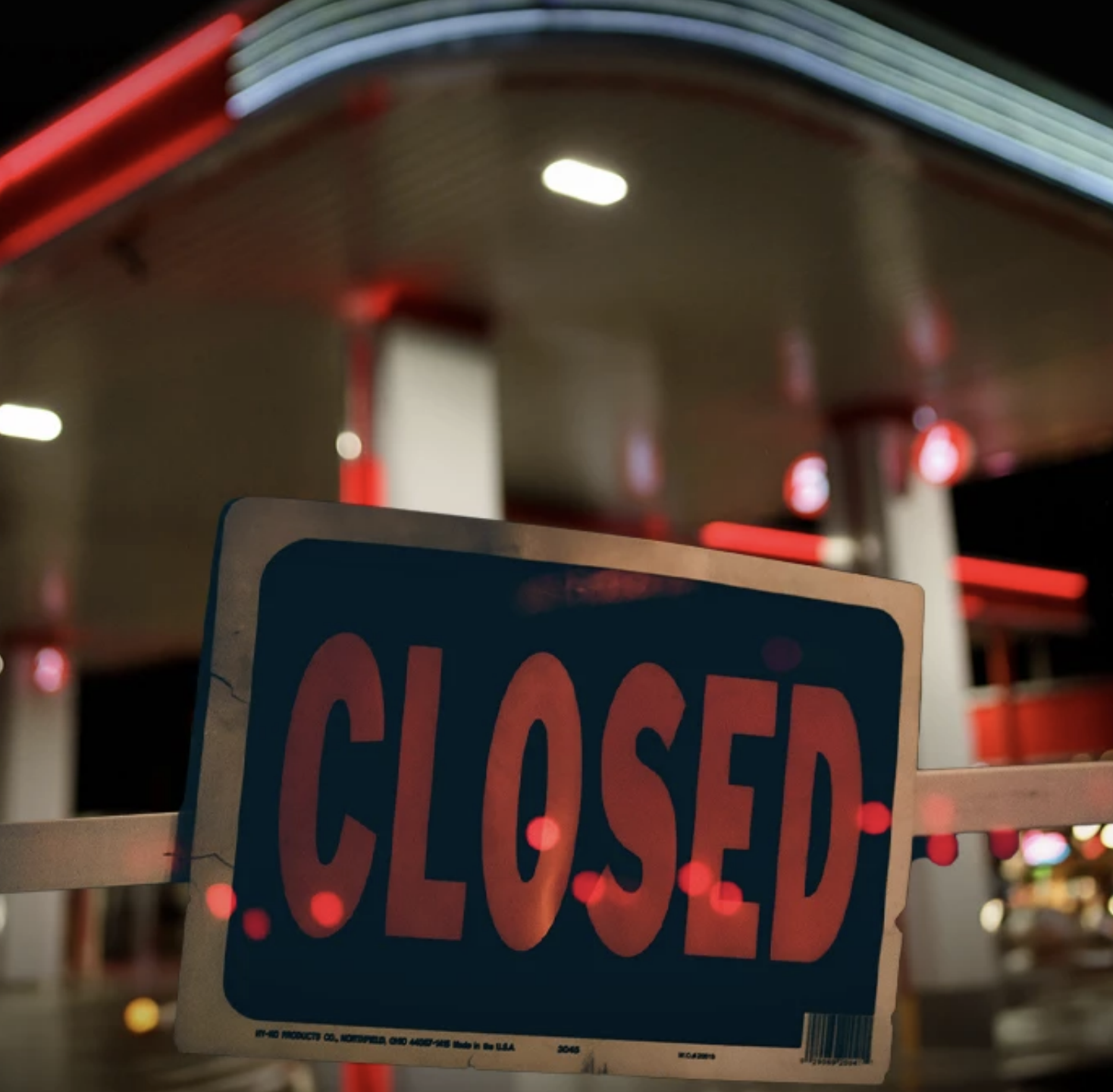
⛽ Thailand May Close Petrol Stations at 10PM — Here’s What’s Going On (And Why It Matters)
Thailand’s government is considering new energy-saving measures as global oil prices swing due to the 2026 U.S.–Israel–Iran conflict in the Middle East. The goal is to cut fuel use, protect the economy, and reduce the impact on everyday people.
Here’s a simple guide to what’s happening and what it could mean for people in Thailand.
🚨 Petrol Stations May Close at 10PM
One of the strongest measures being discussed is requiring petrol stations nationwide to close by 10PM. Exceptions may apply for stations located on major highways or those serving long-distance transport.
The goal is to reduce unnecessary fuel consumption during late-night hours while helping the country manage energy use during the global oil crisis.
🏠 Work-From-Home for Government Employees
The Prime Minister has instructed government agencies to begin work-from-home (WFH) immediately for roles that do not affect public services.
Reducing daily commuting means fewer cars on the road, which lowers fuel consumption and helps the government cut energy spending.
🌍 Why This Is Happening: The Global Oil Shock
The crisis is linked to tensions in the Middle East during the 2026 U.S.–Israel–Iran conflict. The disruption affected the Strait of Hormuz, a key shipping route through which roughly 20% of the world’s oil supply passes.
Any disruption in this region quickly pushes global oil prices higher, which then impacts economies around the world.
📈 Oil Prices: Before the War, During the Crisis, and Now
Oil prices surged dramatically after the conflict began.
Before the conflict (Late February 2026)
Brent Crude: Around $73 per barrel
WTI (West Texas Intermediate): Around $67–$70 per barrel
Peak of the crisis (March 9, 2026)
Prices surged by about 50%. Both Brent and WTI briefly crossed $100 per barrel, with Brent peaking close to $120.
Current situation (March 10–11, 2026)
Prices have cooled slightly after signs the war may end soon. WTI settled around $84.14 and Brent around $88.44.
🧠 Why Rising Oil Prices Are Dangerous
Oil price increases affect far more than just drivers.
Transport systems rely heavily on fuel, including trucks, ships, and airplanes. When oil becomes more expensive, it raises the cost of moving goods across the country and around the world.
This creates a domino effect. Transportation costs rise, businesses pay more to move products, and those extra costs are passed on to consumers. As a result, the prices of everyday items such as food, electronics, and household goods increase.
🇹🇭 Thailand’s Energy Situation
Thailand currently consumes about 124 million litres of refined oil per day and still depends heavily on imported crude oil, particularly from the Middle East.
The country has total oil reserves of approximately 8,054 million litres, which include both statutory and commercial reserves. These reserves help cushion the country against short-term disruptions.
⚡ Six Energy-Saving Measures for Government Agencies
To lead by example, government agencies and state enterprises are being asked to reduce energy use through several measures.
1. Adjust air-conditioner settings
Air-conditioning should be set at around 26–27°C. Staff are encouraged to wear short-sleeved clothing and avoid suits or ties except during formal ceremonies.
2. Reduce electricity use
Lights and electrical equipment that are not necessary should be switched off to cut electricity consumption in office buildings.
3. Use energy-saving computer settings
Computers should be set to Energy Saver mode and turned off when not in use.
4. Reduce lift use
Employees are encouraged to use stairs instead of elevators for short distances inside buildings.
5. Move toward paperless systems
Government offices should reduce the use of paper and photocopiers while promoting digital documents and electronic systems.
6. Promote online meetings
Work-from-home arrangements and virtual meetings are encouraged to reduce travel and energy consumption.
🚗 Fuel-Saving Habits for Everyone
Authorities are also encouraging the public to adopt simple fuel-saving practices, including maintaining vehicles regularly, driving at appropriate speeds, car-pooling, and planning journeys more efficiently.
📊 Even a Small Reduction Makes a Big Difference
Officials estimate that reducing oil consumption by just 5% could cut usage by about 330,000 litres per month, saving roughly 10.45 million baht.
A similar 5% reduction in electricity use could save approximately 31 million units of electricity per month.
📣 Nationwide Energy-Saving Campaign
The Department of Public Relations will work with television stations, radio networks, and social media platforms to promote energy conservation across all sectors during the crisis.
⚠️ Possible Additional Measures
If the energy situation worsens, the government may introduce further mandatory measures.
These could include turning off advertising signs and business lighting after 10PM and enforcing nationwide petrol station closing hours, except for stations located on major highways.
🎯 The Goal
These steps aim to encourage responsible energy use, reduce government expenses, and protect Thailand’s economy during a period of global energy uncertainty while strengthening the country’s long-term energy security.