 Thaizo
🗓️ Monday, January 12, 2026
📍 Satish Dhawan Space Centre, India
🚀 Watch Live Today: Thailand’s THEOS-2A Satellite Launch
Monday, January 12, 2026 | 11:47 AM (Thailand time)
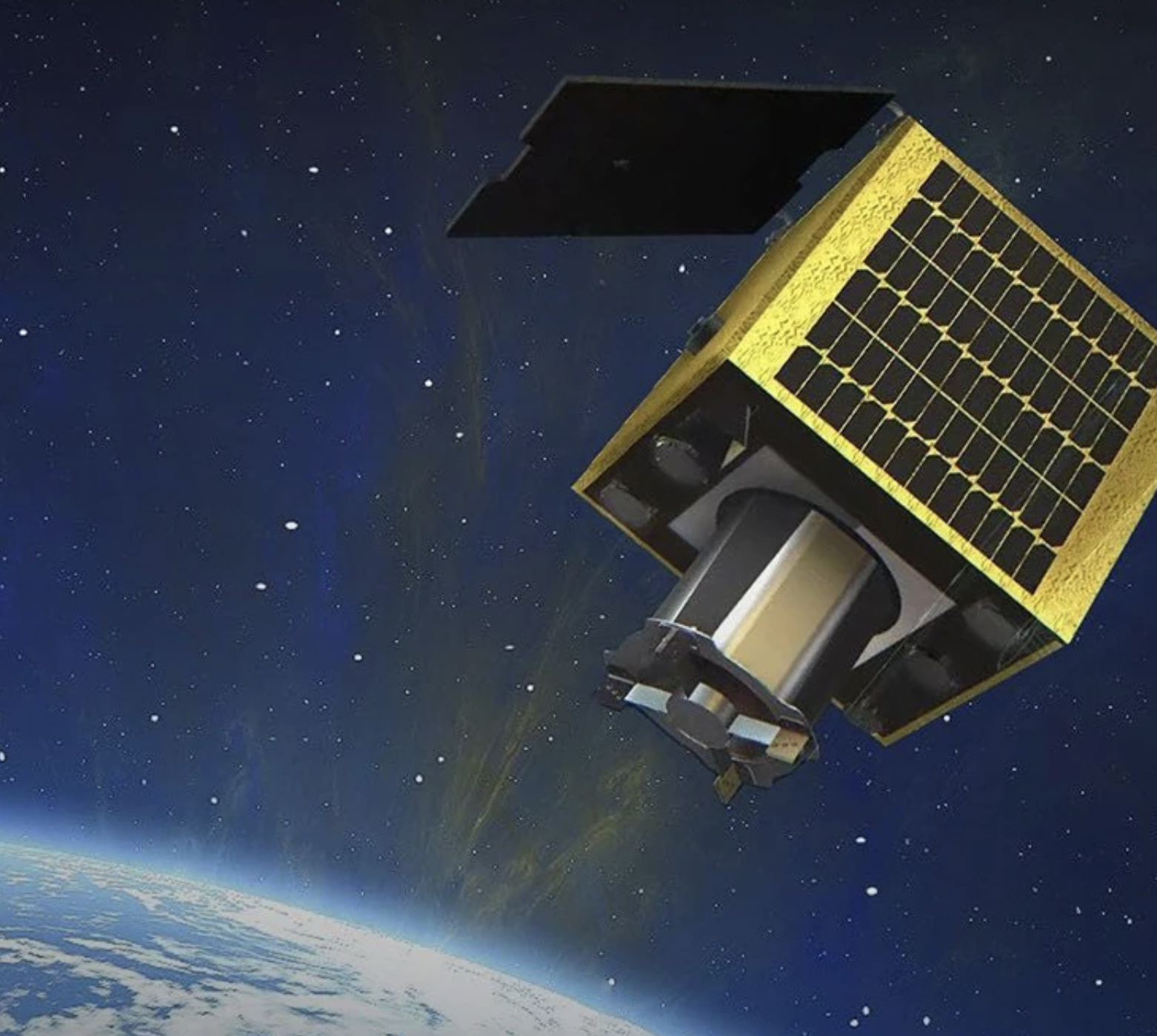
Thailand is heading back to space today! The Geo-Informatics and Space Technology Development Agency (GISTDA) invites everyone to watch the live launch of THEOS-2A, Thailand’s newest high-resolution Earth observation satellite.
The satellite will lift off from Satish Dhawan Space Centre in India, and the entire event can be watched live online.
📺 Where to Watch the Live Launch
Launch time: 11:47 AM (Thailand time)
🛰️ What Is THEOS-2A?
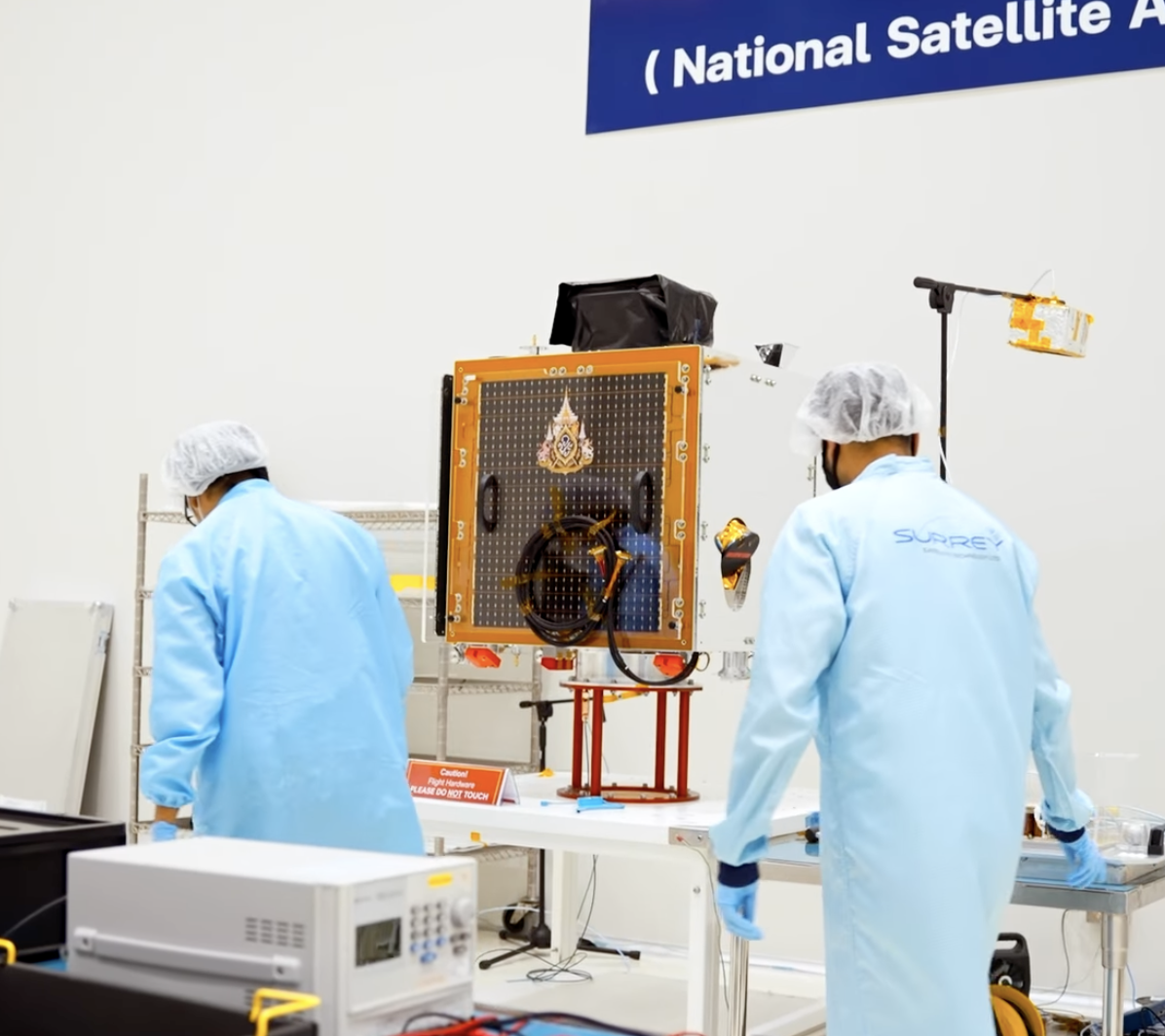
THEOS-2A is Thailand’s third Earth observation satellite, following THEOS-1 and THEOS-2. It is developed and operated by GISTDA under the THEOS-2 project.
The satellite is a SmallSat in the 100-kilogram class and will operate in a sun-synchronous orbit at approximately 550 kilometres above Earth.
🤝 Who Built It?
THEOS-2A was designed and built through a collaboration between more than 20 Thai satellite engineers and Surrey Satellite Technology Ltd (SSTL) from the United Kingdom.
🔧 Key Features and Technology
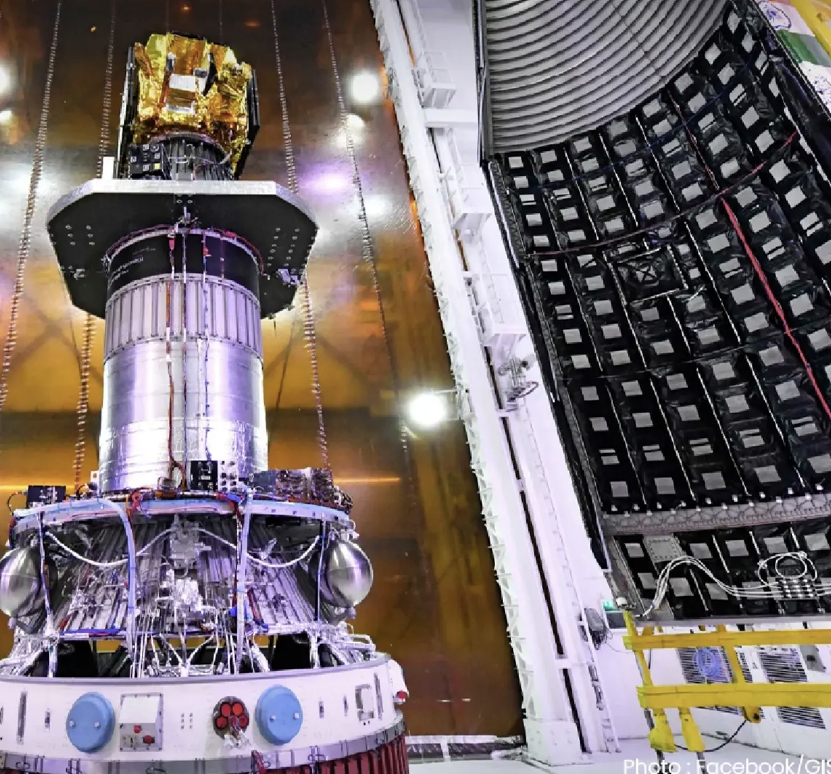
THEOS-2A is equipped with advanced onboard systems, including a whip antenna for detecting ship signals, a patch antenna for GNSS-based positioning, a launcher interface ring, a sun-angle sensor, and solar panels that recharge the satellite’s battery system.
The satellite also carries a high-resolution colour camera capable of capturing images at 1.18 metres per pixel from an altitude of 550 kilometres.
🌏 Why THEOS-2A Matters
According to GISTDA, THEOS-2A will significantly strengthen Thailand’s satellite imagery capabilities by expanding Earth observation data services.
The data collected will support a wide range of applications, including agriculture, disaster management, urban planning, and environmental monitoring, and land surveying for research, planning, and land management purposes.
Don’t miss it — tune in live at 11:47 AM on January 12, 2026, and watch Thailand take another exciting step forward in space technology.
UPDATE
THEOS‑2A Launch Fails: Cost, Responsibility, and What’s Next for Thailand’s Satellite Program
Thailand’s high-resolution Earth observation satellite THEOS‑2A failed to reach orbit after a malfunction during the third stage of its PSLV‑C62 rocket launch from India’s Satish Dhawan Space Centre. The satellite, developed by Thailand’s Geo-Informatics and Space Technology Development Agency (GISTDA) in collaboration with the UK’s Surrey Satellite Technology Ltd (SSTL), represented a major step forward for Thailand’s space program.
💰 How Much THEOS‑2A Costs
THEOS‑2A is part of the THEOS‑2 project, which includes both THEOS‑2 and THEOS‑2A satellites. The project had an approved budget of roughly 7,000 million Thai baht (~$200 million USD). While the exact cost of THEOS‑2A alone has not been publicly disclosed, satellites of its class (SmallSats around 100 kg) typically cost tens of millions of dollars, not including launch fees. The launch itself, conducted by ISRO using a PSLV rocket, adds additional costs. Combined, THEOS‑2A represents a significant financial investment for Thailand, aimed at strengthening the country’s Earth observation capabilities.
🧑🔧 Who is Responsible
GISTDA: Owner and primary developer of THEOS‑2A, responsible for satellite design, assembly, and mission management.
SSTL (UK): Technical partner supporting satellite development and engineering expertise.
ISRO (India): Provided the launch vehicle. The malfunction that caused the failure occurred during the rocket’s third stage.
🛰️ Will Thailand Try Again?
The possibility of another launch depends on the outcome of a detailed investigation by GISTDA and ISRO. If THEOS‑2A survived the launch intact or is recoverable, a reflown mission may be possible. If the satellite is irreparably lost, Thailand may consider building a replacement or accelerating plans for future satellites like THEOS‑3.
💸 Who Will Pay?
Insurance: Many satellite missions and launch services are typically insured to mitigate financial risk in the event of failure. It is believed that THEOS‑2A was insured for its launch into orbit, although this has not been publicly confirmed.
Government Funding: As a state-backed project, the Thai government may provide funding for a replacement satellite or continuation of the program through GISTDA’s budget.
Launch Provider Liability: Depending on the terms of the launch contract, ISRO may bear some responsibility; however, liability is often limited under standard commercial and governmental agreements.
At present, official decisions regarding compensation, replacement, insurance coverage, or future funding remain pending the outcome of the investigation.
📌 What This Means
The failure of THEOS‑2A is a setback for Thailand’s space ambitions, but the program has already provided valuable experience for Thai engineers. The lessons learned from this mission will inform future satellite projects and may help Thailand build more resilient systems in the coming years.