 Thaizo
🗓️ Wednesday, December 10th, 2026
📍 DC, Wasington
Trump Offers to Help End Thai-Cambodia Fighting Amid Rising Tensions
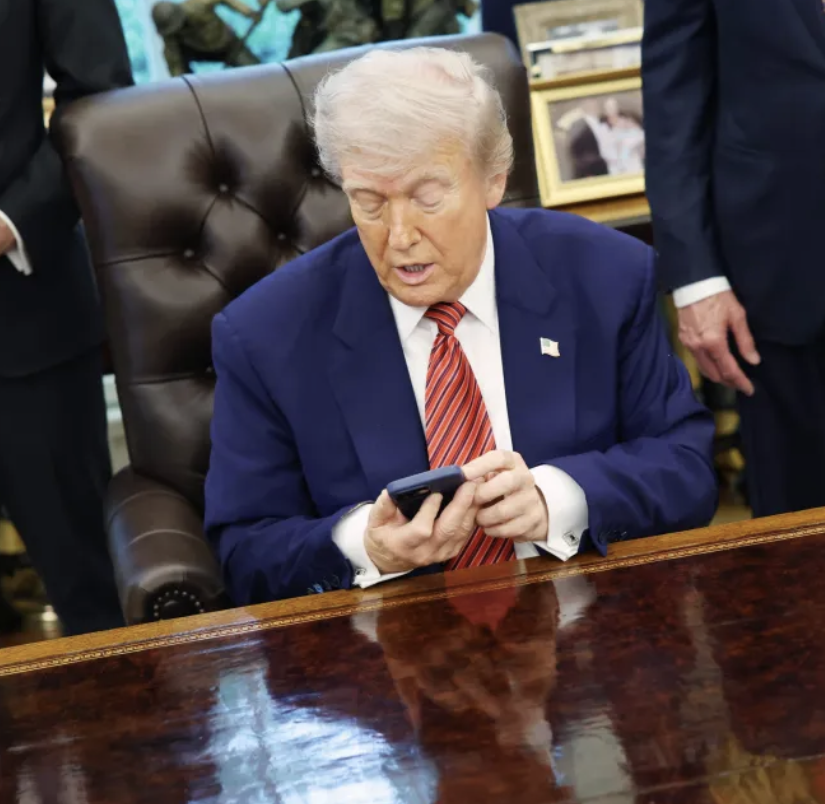
Donald Trump has announced plans to "make a phone call" to help end the ongoing conflict between Thailand and Cambodia. He has previously used trade leverage to broker ceasefires in earlier disputes between the two nations.
Despite Trump’s offer to intervene, Thailand’s foreign minister, Sihasak Phuangketkeow, reaffirmed that Thailand is not open to outside mediation or talks at this time, emphasizing its focus on resolving the situation independently.
Cambodia has expressed willingness to negotiate, but Thailand is committed to maintaining its security and prefers to manage the situation internally.
Escalating Tensions:
The July 2025 Conflict: The July conflict was marked by the loss of 48 lives, the deadliest outbreak of violence in recent years. Despite the October ceasefire agreement, tensions remained high.
The situation escalated again in November when a Thai soldier lost his right ankle due to a freshly laid landmine in Thai territory. Forensic investigations confirmed that the landmine had been recently planted, raising concerns about the integrity of the ceasefire following the peace agreement.
The landmine incident led to an increased sense of urgency in Thailand, as the government sought to secure its borders and protect its citizens, soldiers and tourists from further attacks.
The Situation:
Renewed Conflict: The border tensions between Thailand and Cambodia have flared up again, with both sides reporting casualties since the violence resumed.
Thailand’s Position: Thailand is resolute in its stance not to seek external mediation or intervention. The government is focused on protecting its national security and addressing the conflict within its own borders, prioritizing stability over international involvement.
Cambodia’s Response: While Cambodia has expressed its willingness to negotiate, Thailand remains focused on its military and diplomatic efforts to resolve the situation autonomously.
Trump’s Involvement:
In a rally in Pennsylvania, Trump reflected on his past efforts to mediate conflicts, including between Pakistan and India and Israel and Iran, and offered to intervene in the ongoing Thai-Cambodia conflict.
He mentioned plans to personally contact the leaders of both nations to help de-escalate tensions, following his previous success in brokering ceasefires during earlier clashes.
Trump’s Previous Role: During the July 2025 border conflict, Trump played a pivotal role in negotiating a ceasefire by using trade talks as leverage, which led to both sides agreeing to a ceasefire during an October summit.
Casualties and Damage:
- Cambodia: The Cambodian government reported 9 deaths and 20 injuries since the fighting reignited on December 8, 2025.
- Thailand: Thailand confirmed 4 killed and 68 wounded in the renewed violence. Efforts are ongoing to provide medical assistance to the wounded soldiers and civilians affected by the conflict.
Military Statements:
- Thailand’s Military Goals: Thai commanders have emphasized that the primary objective is to ensure national security and prevent further escalation. The Thai military is focused on defending the country’s sovereignty and protecting its borders from external threats.
- Cambodia’s Defense: Cambodia’s Defence Ministry has stated that it is engaged in defensive operations to safeguard its territory, with both sides showing a strong resolve to maintain control over their respective areas.
Global Reactions:
US Secretary of State: Marco Rubio has called for both sides to de-escalate the violence, urging them to return to the Kuala Lumpur Peace Accord, signed in October 2025, as a framework for long-term peace.
The Kuala Lumpur Peace Accord: This symbolic agreement, signed by Thailand’s Prime Minister Anutin Charnvirakul and Cambodia’s Prime Minister Hun Manet, is an important commitment to peace. However, its lack of legal enforcement has made it difficult to fully resolve the situation.
Conclusion:
Thailand's Resolve: Despite Trump’s offer to intervene, Thailand remains firm in its decision to handle the conflict through its own means. The government is focused on ensuring national security, protecting its sovereignty, and managing the situation internally, without external interference.
Cambodia’s Position: Although Cambodia has expressed a willingness to engage in dialogue, Thailand’s priority is to resolve the conflict independently while safeguarding its borders and national interests.
International Pressure: Global leaders, including US officials, continue to encourage dialogue between the two countries, but Thailand remains focused on national security and the protection of its interests and people within its borders.